



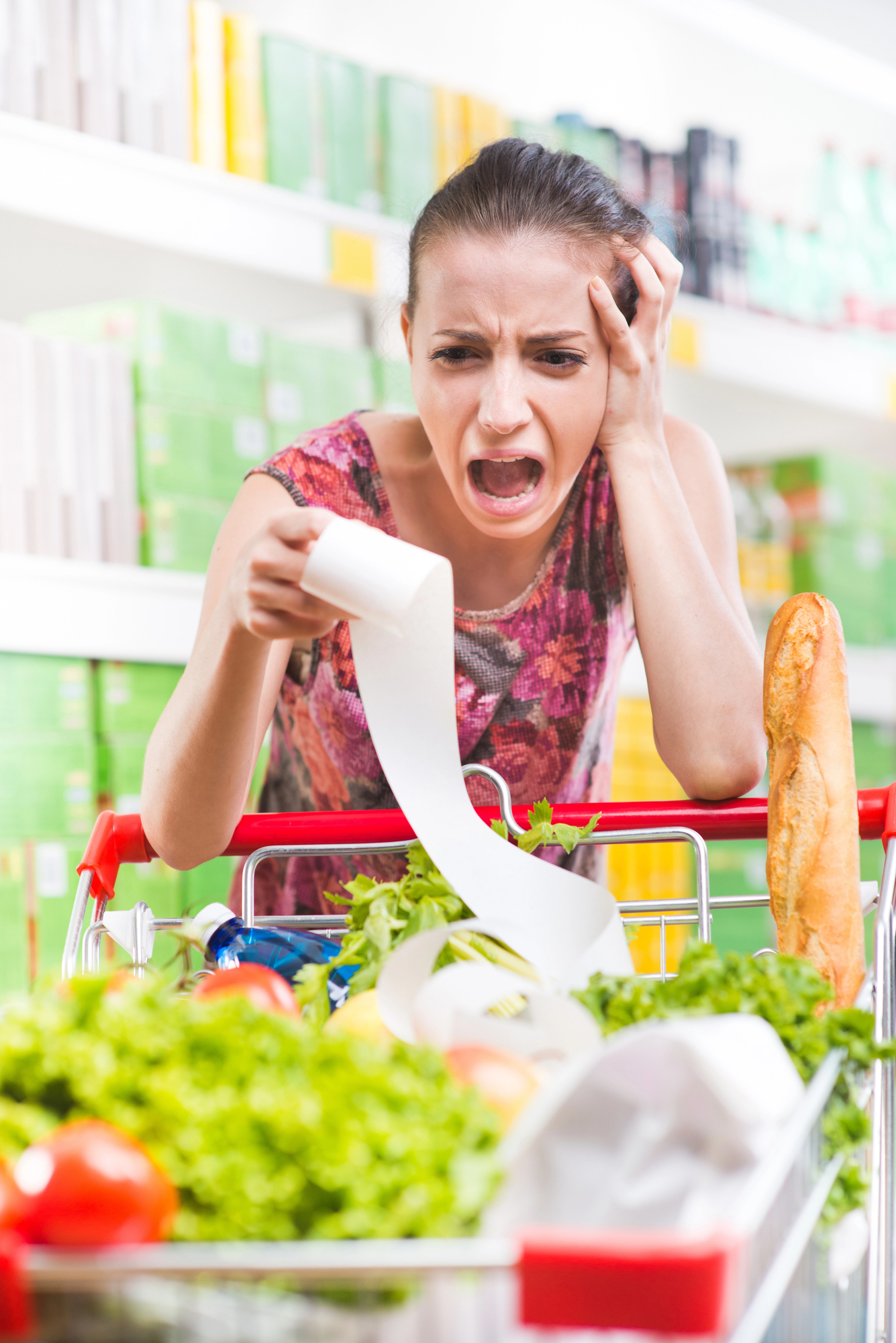
You know that moment at the grocery checkout when you look at the total, look at your bags, and think, “There’s no way those two things belong together”?
Well, El Niño could add more pressure to food prices. Because apparently buying dinner needed another challenge.
El Niño is a climate pattern involving unusually warm water in the tropical Pacific. It can influence weather around the world, bringing conditions that affect crops and fishing—and potentially the price of foods we buy here in Canada.
That doesn’t mean everything on your shopping list is about to jump in price. But several favourites could be vulnerable.
Coffee: Please Leave Our Morning Alone
Drought and extreme weather in coffee-growing regions can hurt harvests and put pressure on bean prices.
Most of us already have a complicated relationship with our alarm clock. We don’t need an expensive relationship with the coffee maker, too.
Chocolate: Now It’s Personal
Poor growing conditions in cocoa-producing regions could add to existing supply pressures.
Chocolate is supposed to be the little treat you buy after a stressful grocery trip. It shouldn’t be contributing to the stress.
Seafood: A Ripple Effect
Warmer ocean water can affect where fish travel and how much fishing crews catch.
Disruptions can also affect fishmeal, which is used to feed some farmed seafood. Depending on the species and supply chain, those changes could eventually reach the seafood counter.
Suddenly, “What’s the catch?” becomes a question about both dinner and the price tag.
Beef and Pork: Feed Costs Matter
Weather can also affect crops used to feed livestock. When feed costs rise, raising animals becomes more expensive—and some of those costs can eventually reach shoppers.
You head in for burgers and come out wondering whether the barbecue needs a smaller guest list.
Winter Vegetables: Another Reason to Miss Summer
Canada relies heavily on imported fresh produce during the colder months.
If extreme heat, drought or flooding affects the regions supplying our tomatoes, peppers and other vegetables, tighter supplies could mean higher prices.
Nothing makes you appreciate your neighbour’s summer zucchini surplus quite like paying winter prices for vegetables.
What Does That Mean for Your Cart?
There’s no guaranteed price increase or fixed timeline. The impact depends on where weather disruptions happen, how severe they are and how suppliers respond.
For shoppers, it could mean more flyer checking, more swapping ingredients and more buying whichever vegetable is on sale.
We’re already doing enough mental math in the grocery aisle. At this point, the cart should come with a calculator—and a small emotional-support chocolate.