


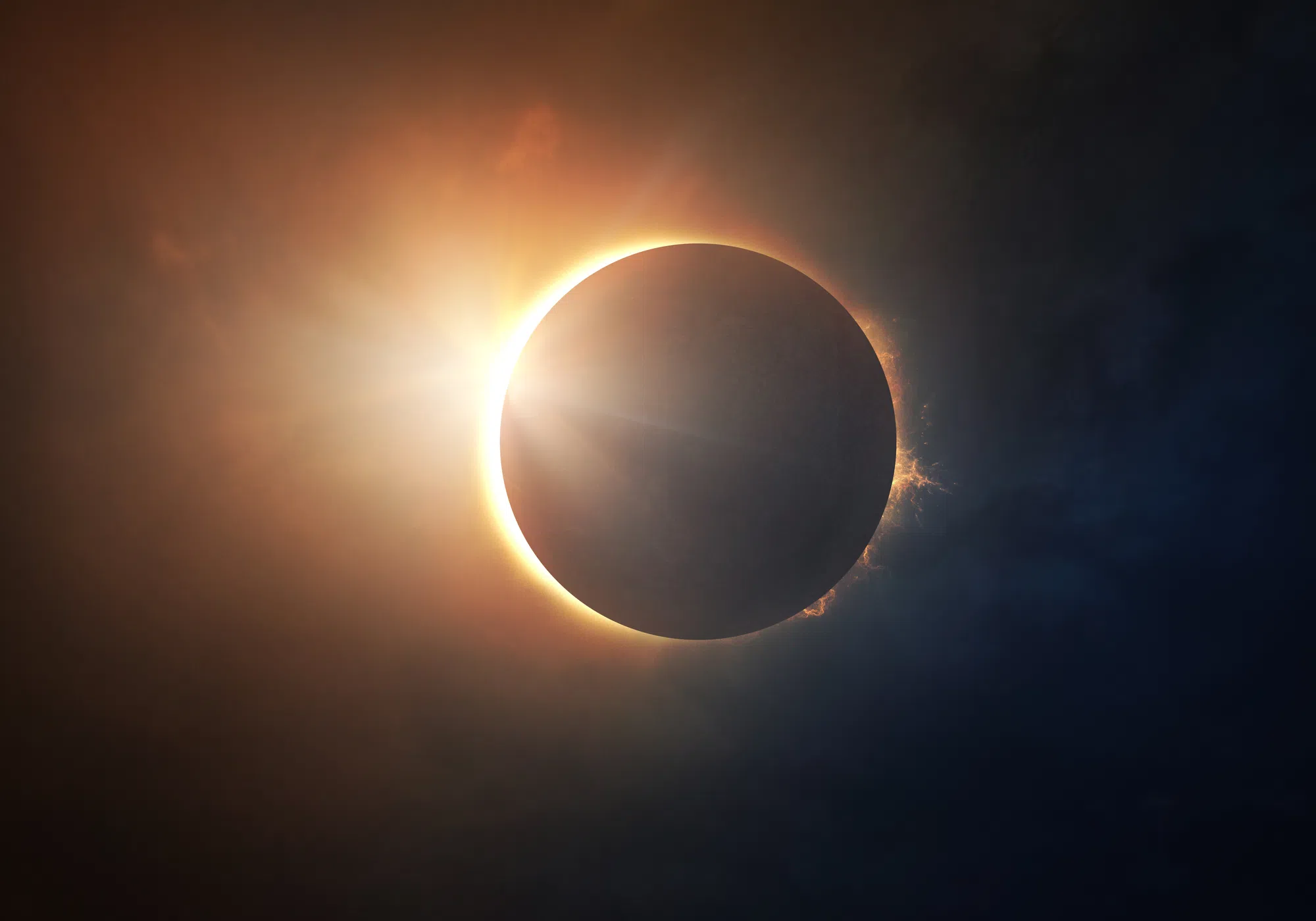
Beware: Fake eclipse glasses are resurfacing, just in time for upcoming celestial events. Remember the chaos surrounding the last U.S. eclipse in 2017? People were peddling counterfeit glasses online, putting countless eyes at risk. The consequences? Severe damage to your retinas, possibly leading to permanent vision impairment.
But fear not! If you’re unsure about the authenticity of your eclipse glasses, here’s a simple three-step test recommended by “Scientific America” to ensure they’re the real deal:
- Test them indoors first. When wearing the glasses, you should only be able to see very bright lights, such as a halogen bulb or an iPhone flashlight directed towards you.
- Step outside without looking at the sun. If the glasses are effective, it should be too dark to see distant objects like hills, trees, or the ground.
- Finally, take a quick glance at the sun while wearing the glasses. It should not cause any discomfort, and you should be able to see a bright, sharp-edged disk comfortably. If there’s any hint of difficulty, stop immediately. Only proceed to this step if your glasses pass the first two tests.
If your glasses pass all three tests, you’re likely safe to view the eclipse. However, exercise caution. While these tests can help determine authenticity, they aren’t foolproof. Consider limiting your viewing time to a few seconds every minute or so to minimize any potential risks. Stay safe and enjoy the celestial spectacle responsibly!