



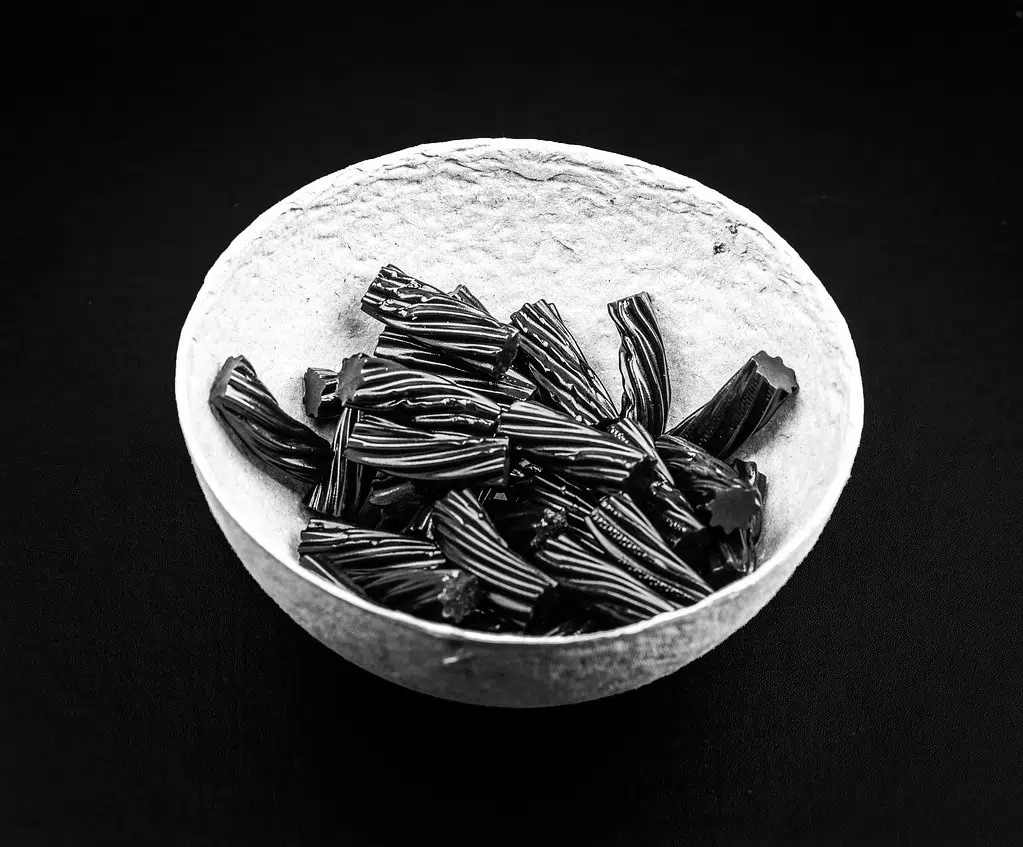
Imagine this: for years, scientists have been on an epic quest, scouring every corner of the scientific realm, all in pursuit of the elusive cure for cancer. But here’s the kicker – what if destiny played a wicked trick on them, and the solution was chilling right under our noses? Yes, I’m talking about those notorious black jellybeans that everyone seems to loathe.
Buckle up, because a groundbreaking new study has unveiled an unexpected twist in the tale. Turns out, a certain compound hiding in black licorice might just be the superhero we need in the battle against one of the deadliest foes of all – pancreatic cancer. No, not the candy-coated version, but the genuine licorice root, an herb with a rich history in traditional Chinese medicine.
Hold on to your seats, because this is where it gets intriguing. Experiments with our furry little friends, the mice, have displayed a remarkable feat – a flavonoid found in licorice root has the potential to obliterate pancreatic cancer cells. Yes, you heard that right. A pinch of licorice might be the secret weapon we’ve been dreaming of.
But hey, before you start gobbling up black licorice like there’s no tomorrow, take a moment. The research is in its infancy, and the experts are waving their caution flags. They’re advising you, with all seriousness, to resist the urge to turn into a licorice monster. You know, downing heaps of the stuff. You see, the American Heart Association has dropped a truth bomb – indulging excessively in black licorice could lead to some seriously grumpy heart and kidney issues, and in dire circumstances, it might even venture into “life-threatening” territory.
And let’s not forget the part that needs no introduction – stuffing your mouth with a handful of those ebony jellybeans, well, let’s just call it a flavor journey you might want to skip. It’s not for the faint of heart, that’s for sure.
Black licorice, the unsung hero? Maybe. But for now, let’s keep our jellybean feasting in check and stay tuned as science continues to spin its captivating web of discovery.